

NHS Talking Therapies at Mersey Care are part of the National Talking Therapies programme.
We offer free NHS psychological treatment for people who are experiencing mental health difficulties like depression and/or an anxiety and are motivated to change.
Talking Therapies services offer treatments that can help you to feel better. All the treatments that we offer have been shown through research to be effective at helping people to improve or recover from their symptoms and have been recommended by NICE guidance.
Who we are
Talking Therapies is made up of Psychological Wellbeing Practitioner (PWPs) and Senior Psychological Wellbeing Practitioners (SPWPs). PWPs and SPWPs deliver our Low Intensity interventions offer, at step 2 of the stepped care model. We also have High Intensity Therapists (HITs) who offer more intensive therapy at step 3 of the stepped care model. Our HIT staff are trained in a number of therapies to ensure we can offer the full range of psychological treatments that have been shown to be helpful for your needs.
Who is our service for?
Our service is for adults aged 16 years old and over who are registered with a Merseyside GP.
If you are not registered with a Merseyside GP, please use the following link to find the Talking Therapies service in your local area
Our service is for adults aged 16 years old and over who are registered with a Merseyside GP.
If you are not registered with a Merseyside GP, please use the following link to find the Talking Therapies service in your local area.
Are you or is someone in your household currently pregnant or have a child aged two years or under?
If you or someone in your household is currently pregnant or there is a child aged two years or under, Talking Therapies will be able to offer an appointment to be seen more quickly. This is because we know how important it is for parents and carers to look after their own mental health as they care for babies and young children. Please let us know if you are in this situation so we can see you more quickly.
We are not a crisis service and if you are in need of urgent or crisis care, please contact NHS 111 and ask for Option 2 or visit our urgent support page.
If you've been feeling down, nervous, more worried than usual, anxious or panicky, we can help. Some other common reasons for using our service include:
- Not wanting to do things you used to enjoy, like hobbies or seeing friends
- Feeling down or hopeless about the future
- Having trouble sleeping or sleeping more than usual
- Feeling tired or having little energy
- Not being able to stop worrying
- Feeling restless and agitated
- Feeling afraid all the time, like something bad is going to happen
These are all normal from time to time but if they last for longer than a couple of weeks, it’s probably best to seek some support. If any of these sound familiar, we are here to help.
Our service might not be right for you if:
- You are seeking help for a more severe mental health difficulty such as psychosis or bi-polar disorder. If you are, your GP will be able to refer you to the most appropriate service to meet your needs.
- You are using alcohol or other substances to excess and at a level that needs support from a substance misuse service.
- You are in an acute mental health crisis. Please use these crisis services (Add details)
- You are at high risk of engaging in significant self-harming behaviours including making a suicide attempt. Please go to your local A and E Department if you are struggling to keep yourself safe or use these crisis services (Add details)
- Your problems are more of a social or practical nature such as difficulties with housing or benefits.
Accessing our service is simple, click on where you live on this page. You can also visit your GP who will be able to make a referral to our service on your behalf as can any professional involved with your care.
Helping you access the service
In Talking Therapies Mersey Care we want to make it as easy as possible for you to access our service. All our venues are accessible for people who use wheelchairs. If SilverCloud or our course delivery format is inaccessible for you, we can explore adaptation or we can consider offering it to you on one to one basis.
If English is not your first language and you need an interpreter to communicate with us, please let us know and we can arrange this. If you need a BSL interpreter, please let us know and we can arrange this also.
If you have needs related to being neurodivergent (if you are autistic or have ADHD) please let us and we will make any adjustments we can, to make the service more accessible for you.
Our aim to see people as soon as possible after we have received their referral.
Currently we can see people within a matter of weeks for their initial assessment and to offer them treatment within weeks following their assessment.
If people need a high intensity intervention, there is a wait for this. We constantly work hard to keep our waiting times as low as possible. We know how important timely treatment for your mental health difficulties is.
We will offer you an assessment appointment with a member of our team.
During this appointment you will have time to talk through your difficulties with us, and we will think with you about the treatment options available to you to help you decide on the right option for you.
At the end of this assessment appointment, you will most likely be offered a course of supported online Cognitive Behavioural Therapy through our SilverCloud system or a Skills for Wellbeing Course.
This is in line with the principles of the stepped care model.
What is the Stepped Care model
The stepped care model works on the principle that we offer you the most effective and least intrusive intervention to meet your needs first.
This starts with our Step 2 offer of either supported online Cognitive Behavioural Therapy through our SilverCloud system or a Skills for Wellbeing course.
Most people find that online therapy or a Skills for Wellbeing course is all they need to feel better, and you can be discharged from the service with the skills you need to manage your symptoms.
If you still need extra help after completing these, we will then discuss offering you face to face in person or virtually, 1:1 psychological therapy with one of our High Intensity Therapists.
Online therapy through our SilverCloud systemThis option provides the following benefits:
It has been shown to be more effective than one to one therapy |
Skills for Wellbeing courseThis option offers the following benefits:
|
There are a range of evidence based talking therapies. Which therapy you are offered depends on which one has been shown to be most helpful for your symptoms.
For example, CBT has been shown to be most effective for anxiety disorder while there are a range of treatments for depression, including Counselling for Depression (CfD), Dynamic Interpersonal Therapy (DIT), Interpersonal Therapy (IPT) and Couples Therapy for Depression (CTfD). We will work with you to understand your needs and offer the treatment which is best suited to your needs.
What does one to one psychological therapy involve?
|
Helping you get the most from your therapy
|
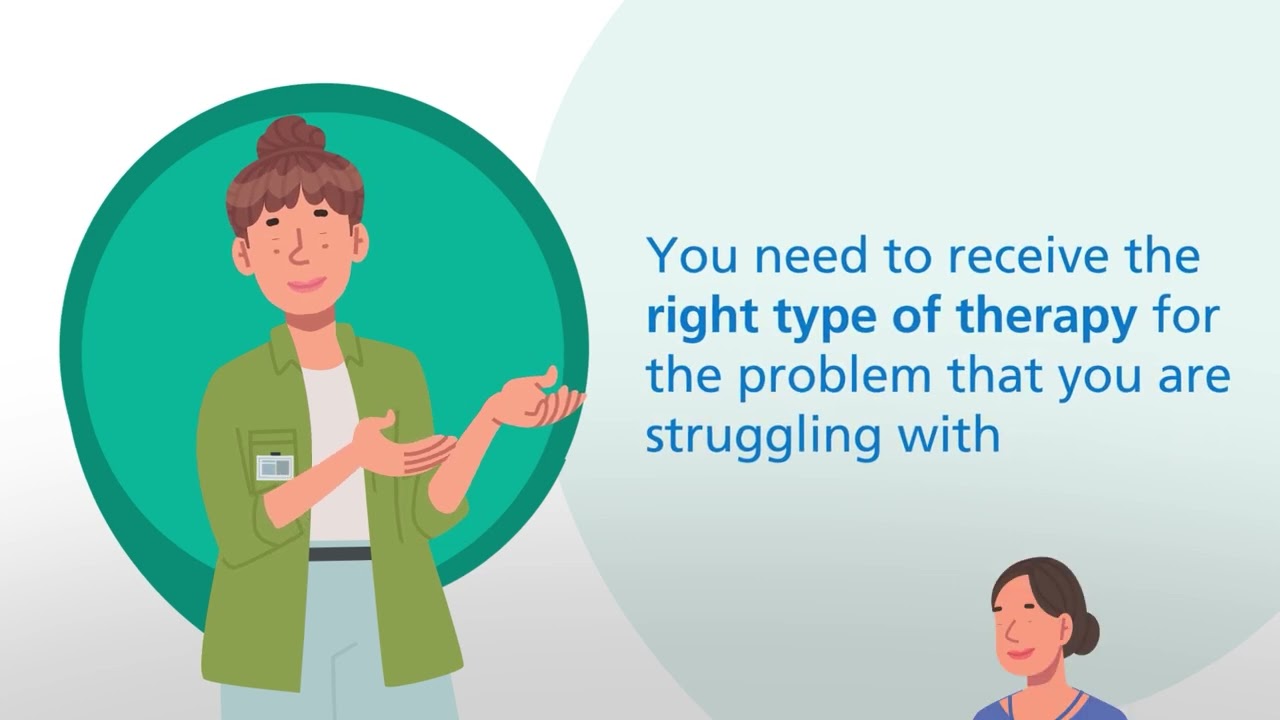
Cognitive Behavioural Therapy (CBT) is based on the idea that thoughts, feelings, what we do, and how our bodies feel physically, are all connected. CBT helps you notice thoughts or behaviours that are causing you difficulty and help you to challenge and changes these thoughts and behaviours to help you feel better.
There are different types of CBT, for example CBT for social anxiety is different to CBT for post-traumatic stress disorder (PTSD)
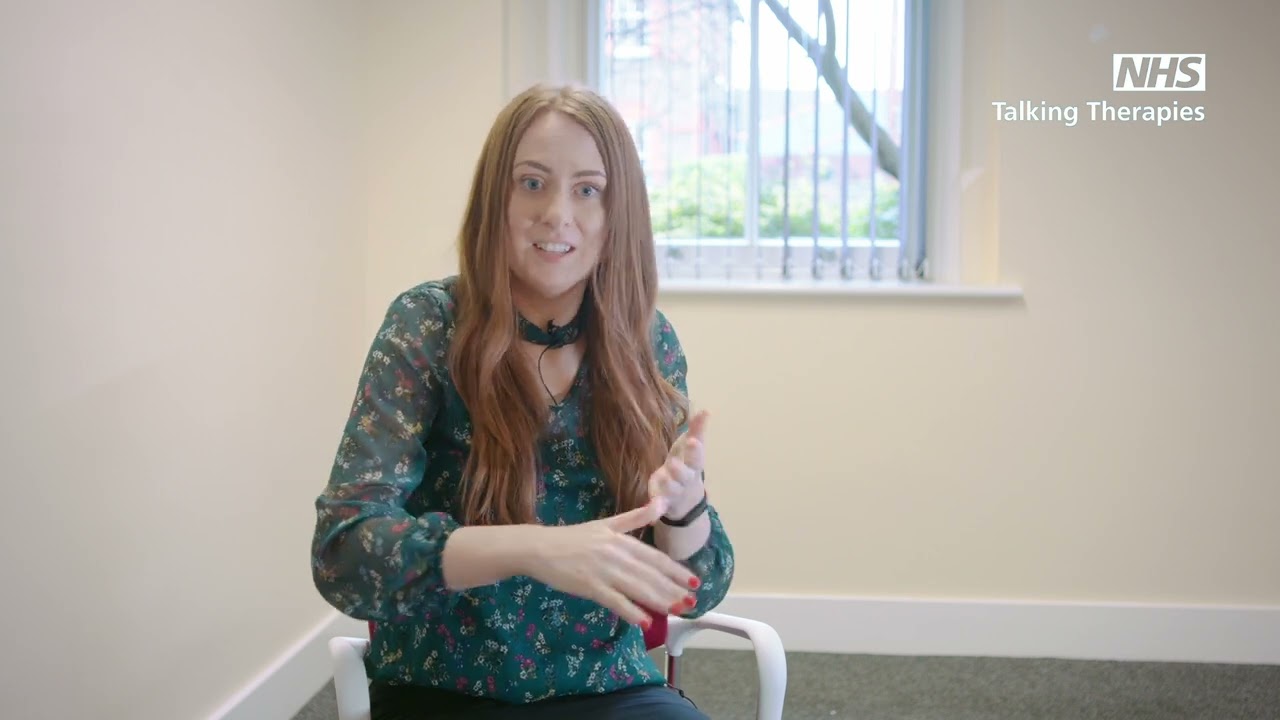
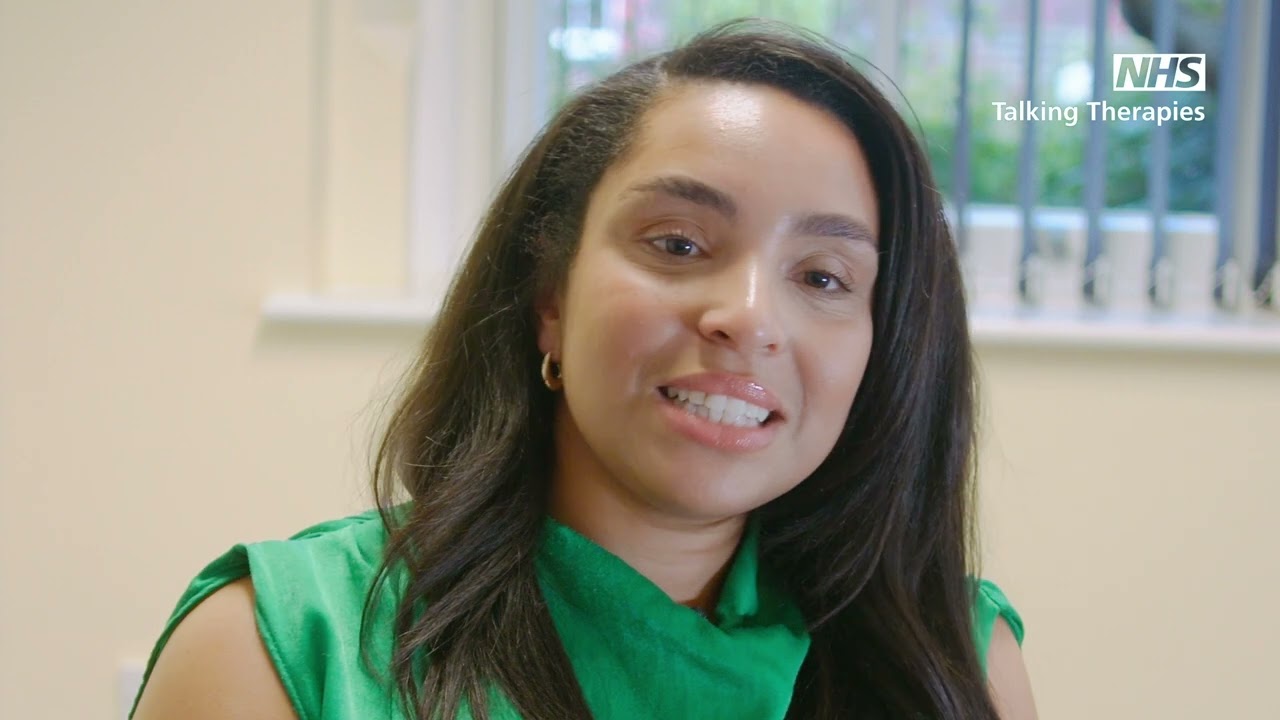
Watch the short videos below for further information about CBT.

Due to the success of the employment support service in St Helens, new services have launched in the Liverpool, Knowsley and Halton Talking Therapies teams in January 2024. The service supports patients, who are on the Talking Therapies caseload, and have additional needs with employment.
This could include, absent from working and need support to return, in work but need support to remain in employment or those who are unemployed and want support to find work.
If you need support, please speak to a member of the team from Talking Therapies.
Attend Anywhere is a private and secure video call service for patients with pre-arranged appointments only.
You can find out more on our website.
We are not an emergency service
If you are in need of urgent help with your mental health, visit our urgent help webpage.